
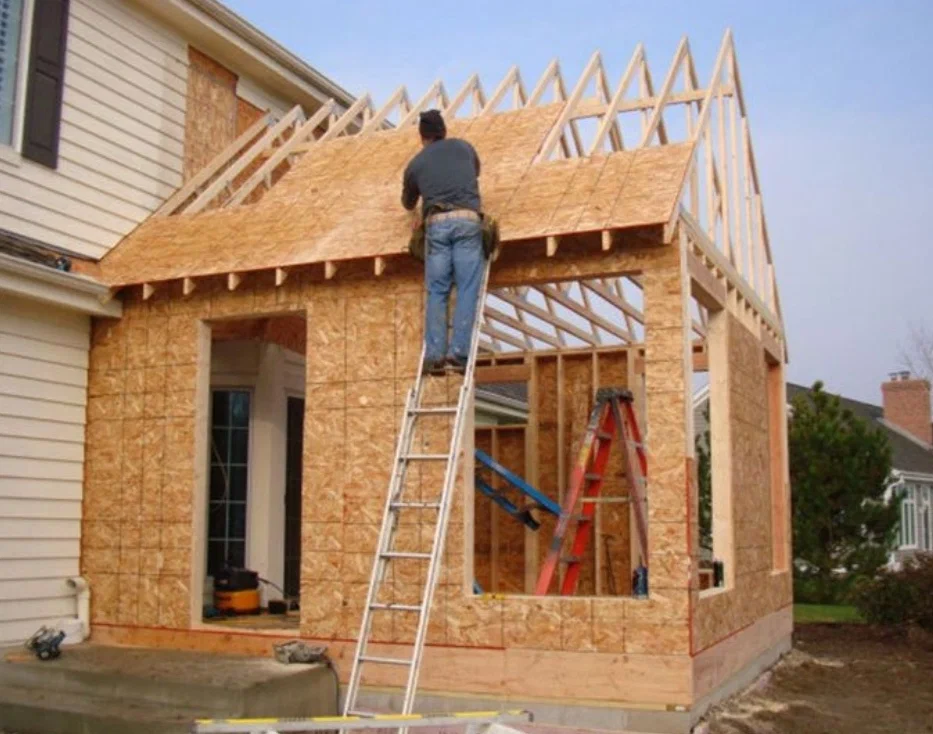
Choosing between an accessory dwelling unit (ADU) and a home addition depends on your property, budget, and plans for the extra space. Both options can increase usable living space and improve property value. However, they serve different purposes.
Florida homeowners may consider an ADU for rental income, extended family, or a private guest space. A home addition may be a better choice for families who need larger bedrooms, an expanded kitchen, or more room for daily activities.
Before starting construction, compare the costs, space requirements, permits, and long-term benefits of each option.
What Is an ADU?
An accessory dwelling unit (ADU) is a separate living space located on the same property as an existing home. It usually includes a bedroom, bathroom, kitchen, and private entrance.
ADUs can take several forms, including detached backyard cottages, converted garages, and attached secondary living spaces. They provide a separate area for family members, guests, or potential tenants.
In Florida, ADU construction depends on local zoning rules, building codes, lot size, and available utilities. Some properties may allow detached units, while others may have restrictions on their size, placement, or use.
Homeowners should check local requirements before choosing an ADU design.
What Is a Home Addition?
A home addition expands the existing house by adding new rooms or extending current living areas. Unlike an ADU, it usually connects directly to the main home and shares its existing layout.
Common home addition projects include:
- Adding a new bedroom or bathroom
- Expanding a kitchen or dining area
- Building a family room
- Adding a second floor
- Extending the living room
Home additions work well for families who need more indoor space but want to remain in their current home. They can also improve the flow and function of an existing floor plan.
The design should match the current structure, roofline, and exterior so the new space feels like part of the original house.
ADU vs. Home Addition: Key Differences
Both projects add usable space, but their layouts and purposes are different.
| Comparison | ADU | Home Addition |
|---|---|---|
| Structure | Separate or secondary living unit | Extension of the main house |
| Privacy | Greater independence | Shares the main living space |
| Kitchen | Usually has its own kitchen | Uses the main kitchen |
| Rental potential | May be allowed under local rules | Usually remains part of the main home |
| Best use | Guests, family, or rental housing | Additional space for household members |
| Utilities | May need separate connections | Often extends existing systems |
An ADU provides more independence for its occupants. A home addition creates more room within the existing household.
The right choice depends on how you plan to use the space and what your property can support.
How Much Does an ADU or Home Addition Cost in Florida?
The cost of either project depends on its size, materials, design, labor, and site conditions. ADUs often require additional work for foundations, utility connections, kitchens, bathrooms, and separate entrances.
Home additions may cost less than a comparable detached ADU because they can use parts of the existing structure and utility systems. However, major structural changes or second-story additions can increase the total cost.
Here are some of the main cost factors:
- Project size: Larger living areas require more materials and labor.
- Foundation work: Soil conditions and structural requirements affect preparation costs.
- Plumbing and electrical: Kitchens and bathrooms add utility costs.
- Permits: Local approval and inspection fees vary by municipality.
- Finishes: Flooring, cabinets, fixtures, and exterior materials affect the final budget.
For an accurate estimate, homeowners should request a project-specific quote before construction begins.
Permits and Building Requirements in Florida
Before building an ADU or home addition, homeowners must understand the local permitting process. Florida building requirements apply to both projects, but the approval process can differ based on the structure and property location.
ADUs may face additional zoning restrictions related to lot coverage, setbacks, parking, occupancy, and rental use. Home additions must meet applicable structural, electrical, plumbing, and energy requirements.
Homeowners in Tampa Bay and Pinellas County should check with their local building department before construction. Requirements can vary between municipalities, so approval in one city does not guarantee approval in another.
Working with an experienced contractor can help identify potential building issues before construction begins.
Which Option Is Better for Your Property?
The better option depends on your goals and available property space.
An ADU may be the better choice if you:
- Want a separate living space for parents or adult children.
- Need private accommodation for guests.
- Want potential rental income where local rules allow it.
- Have enough land for a secondary dwelling.
A home addition may be better if you:
- Need another bedroom or bathroom.
- Want a larger kitchen or living room.
- Prefer keeping everyone under one roof.
- Want to improve your existing floor plan.
Consider your long-term plans before making a decision. If you expect your household to grow, an addition may provide more practical space. If you need independent living arrangements, an ADU may offer greater flexibility.
What Should Florida Homeowners Consider Before Starting?
Florida properties have specific construction challenges that can affect both project types. Weather exposure, drainage, soil conditions, and hurricane-related building requirements should be considered during planning.
Here are some important steps before starting:
- Check local zoning and property restrictions.
- Decide how much additional living space you need.
- Review your available construction budget.
- Discuss structural requirements with a qualified contractor.
- Confirm permit requirements before scheduling construction.
For properties in coastal areas, drainage, wind resistance, and flood-zone requirements deserve special attention. Addressing these factors early can help prevent construction delays and unexpected expenses.
Frequently Asked Questions
1. Is an ADU cheaper than a home addition in Florida?
Not always. A detached ADU may require a separate foundation, utility connections, kitchen, and bathroom. A home addition may cost less if it can use existing systems, but complex structural work can increase its price.
2. Can I build an ADU in my backyard in Florida?
Possibly. Approval depends on local zoning rules, property size, setbacks, and other restrictions. Check with your local building department before planning construction.
3. Does an ADU increase property value?
An ADU can increase property value by adding usable living space and potential rental opportunities. The actual impact depends on local demand, construction quality, and whether the unit is legally approved.
4. Do home additions require permits in Florida?
Yes. Most home additions require building permits and may also need electrical, plumbing, and other approvals. Requirements depend on the project and local jurisdiction.
5. Can I rent out an ADU in Florida?
Rental use may be allowed, but local regulations can limit rental periods, occupancy, or property use. Confirm the rules in your municipality before planning to rent the unit.
6. Which project adds more living space?
A home addition can provide a larger connected living area, while an ADU creates a separate living unit. The amount of space depends on property conditions, design, and local building restrictions.
Plan Your Next Construction Project
An ADU and a home addition can both improve the usefulness of your property. The right choice depends on your available space, household needs, budget, and local building requirements.
Before committing to either project, compare the expected costs and discuss your plans with a qualified construction contractor. Proper planning can help you avoid unnecessary expenses and create a space that serves your needs for years.
If you are planning an ADU, home addition, or renovation project in the Tampa Bay area, JMC Multi Services can help you plan your next construction project and explore the options for your property.